State Parks Renames Park Features to Restore Native Names in Response to U.S. Secretary of Interior Order
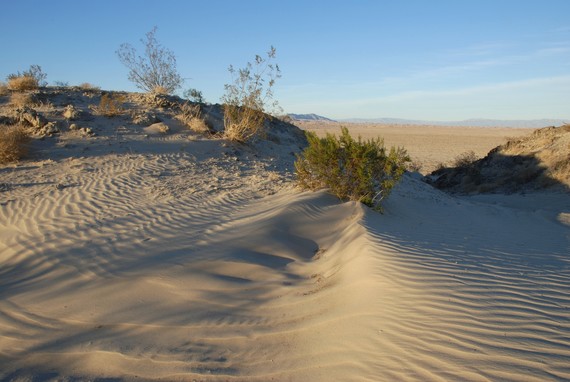
A Kumeyaay name restored is Mat Puy Nah Achhuukaayp in Ocotillo Wells State Vehicular Recreation Area. In Kumeyaay Ipai, this name translates to "the place over there where we go to trade." Photo from Steve Quartieri, Ocotillo Wells District.
The United States Board on Geographic Names announced Thursday, September 8, the removal from our National Map of over 600 instances of the “Sq_ Word,” an offensive ethnic, racial and sexist slur referring to Native American women. This was the culmination of an effort initiated late last year by U.S. Secretary of the Interior Deb Haaland. State Parks’ Reexamining Our Past leadership team responded to the secretary’s order by creating an inventory of place-names within our system, allowing timely action by district staff to identify appropriate replacement names for these features.
In all, six features were renamed within the State Park System, including four restored Native names identified through consultation between district staff and Native Tribes and organizations. Had it not been for this timely action, the Board on Geographic Names would have selected replacement names using an algorithm.
The name Mat Kwa'rar Nemaaw, restored in the Agua Caliente County park unit of Anza-Borrego Desert State Park, means "Grandmother Canyon" in the Kumeyaay language. Another Kumeyaay name restored in San Diego County is Mat Puy Nah Achhuukaayp in Ocotillo Wells State Vehicular Recreation Area. In Kumeyaay Ipai, this name translates to "the place over there where we go to trade." After consulting with representatives of other Kumeyaay groups, State Parks supported these proposals originated by the Kumeyaay Diegueño Land Conservancy.
In Auburn State Recreation Area in Placer County, State Parks staff toured the landscapes of Uti Flat and Mani'pa Gulch with citizens of the Colfax-Todds Valley Consolidated Tribes to develop appropriate names in the Maidu language. Uti, meaning "acorn," and Mani'pa, meaning "manzanita," were chosen based on the cultural importance of these plants and their prevalence within the named areas.
The process of the Reexamining Our Past continues as State Parks works together with Tribes to remove derogatory and inaccurate names and materials from our system, while restoring Native names and other significant aspects of California's cultural heritage.
To read the U.S. Department of Interior’s press release, click here.
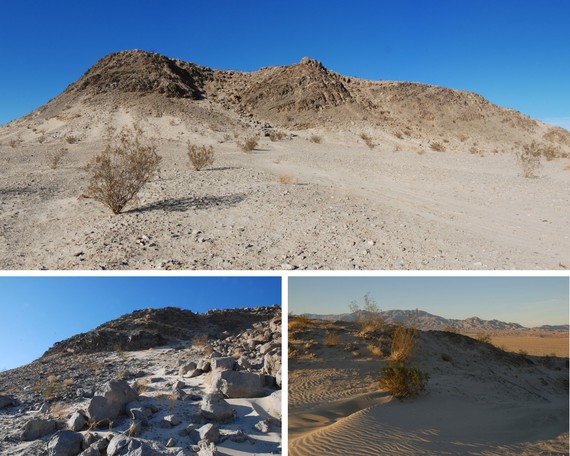
Views at the top of renamed Mat Puy Nah Achhuukaayp in Ocotillo Wells State Vehicular Recreation Area.